Seasoning cast iron is not a one-time task. It is something that happens slowly, meal by meal, year by year. In traditional Southern kitchens, seasoning was not fussed over. It was built through regular use, proper cleaning, and a little patience. For many, a well seasoned cast iron skillet is the most treasured piece in their whole kitchen.
Whether you are working with a new skillet or restoring an older one, seasoning is what turns cast iron into a true family heirloom.
What Seasoning Really Is
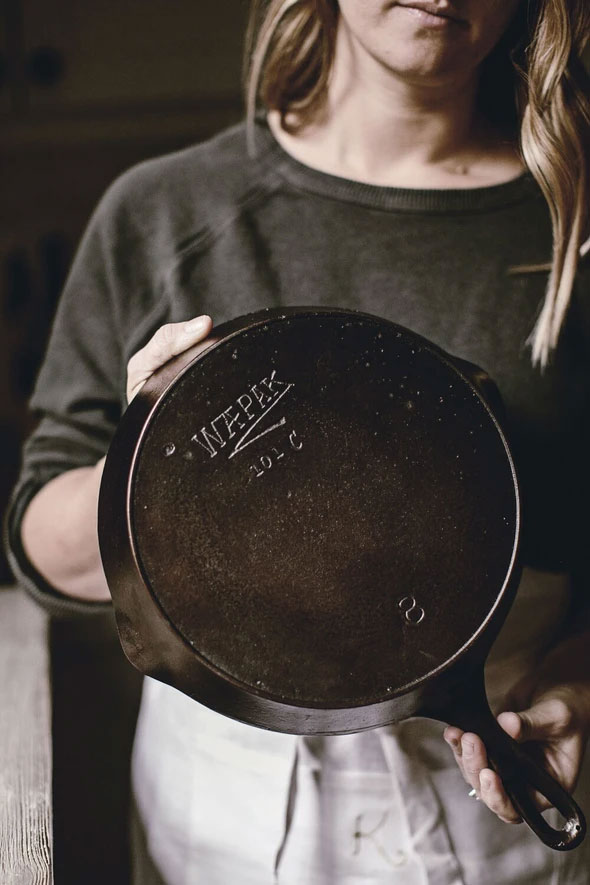
Seasoning is a natural layer formed when oil is heated and bonded to the iron. Over time, this creates a dark, smooth surface that improves with use. The best seasoning comes from cooking, not shortcuts.
Cornbread, bacon, fried chicken, and biscuits did more to season cast iron than any oven method ever could.
When You Need to Re-Season Cast Iron
You may need to season or re-season if:
-
The pan looks dry or gray
-
Food starts sticking to your pan or skillet
-
Rust appears (!)
-
The skillet was scrubbed too aggressively
Remember, a well-seasoned pan should have a soft sheen, not a sticky or oily feel.
How to Season a Cast Iron Skillet
You will need:
-
A neutral oil such as vegetable oil, canola oil, or lard
-
A clean cloth or paper towel
-
An oven
Step-by-step:
-
Start with a clean, completely dry skillet.
-
Rub a very thin layer of oil over the entire pan, inside and out.
-
Wipe away any excess oil. The surface should look barely coated.
-
Place the skillet upside down on the oven rack.
-
Bake at 425°F for one hour.
-
Turn off the oven and let the skillet cool inside.
This process can be repeated if the pan needs extra care, but often one round is enough to restore the surface.
The Best Way to Build Seasoning Over Time
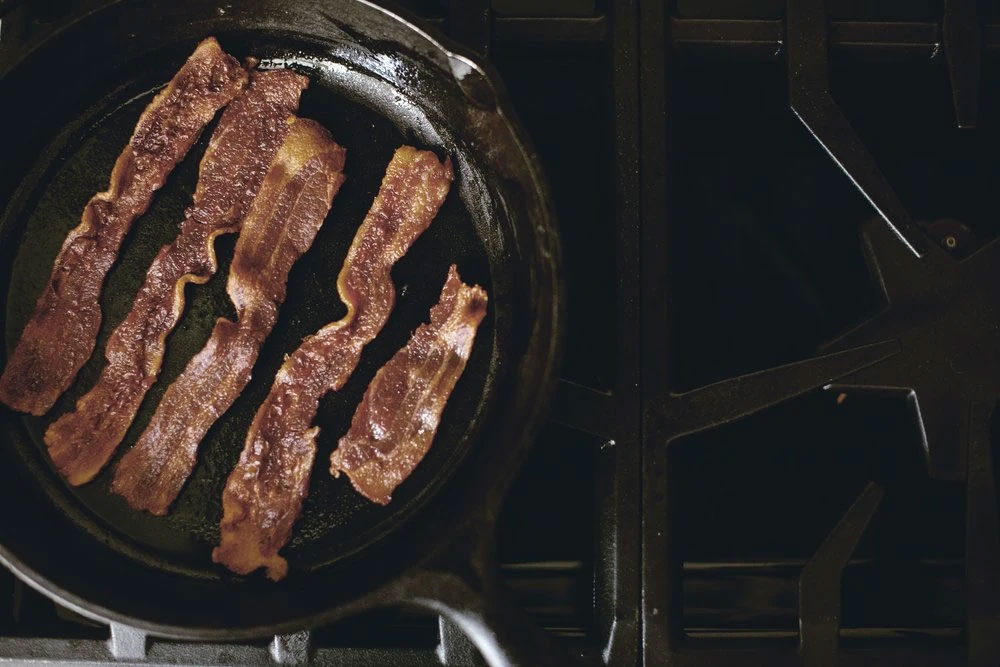
The most traditional way to season cast iron is to cook with it often. Foods cooked in fat help strengthen the seasoning naturally.
Some of the best foods for building seasoning include:
-
Bacon
-
Cornbread
-
Fried potatoes
-
Biscuits
-
Shallow frying
Avoid acidic foods like tomatoes until the seasoning is well established.
A Note on Heirloom Cast Iron
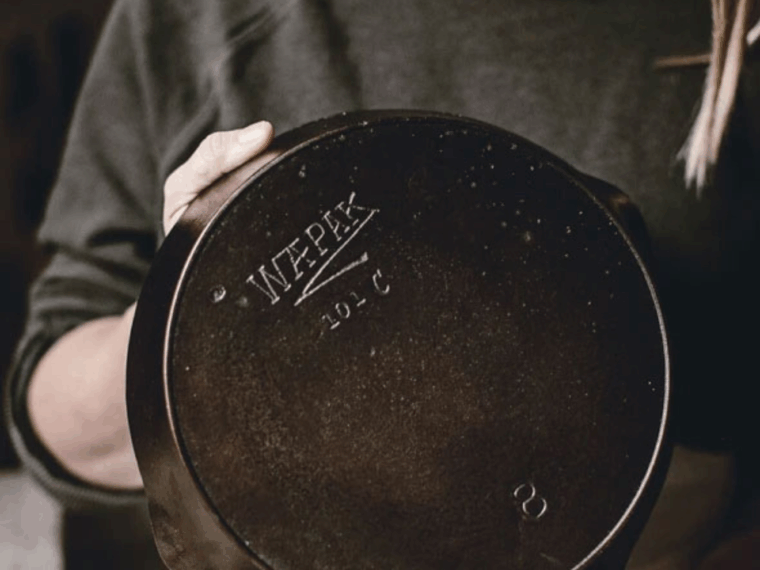
Older cast iron skillets often have smoother cooking surfaces than modern pans. This is part of their charm and why they are so sought after. Gentle care preserves that surface and allows the seasoning to build evenly.
A skillet that has been used for decades carries the marks of every meal cooked in it. That history is not something to scrub away.
Final Thought
Seasoning cast iron is not about chasing perfection. It is about consistency, care, and use. The best cast iron skillets are not shiny or pristine. They are trusted, familiar, and always ready to be pulled from the cabinet or stovetop.
That is how cast iron becomes part of a family’s story.
Most Cast Iron Posts You’ll Love
More Cast Iron Posts You’ll Love
More Cast Iron Recipes You’ll Love