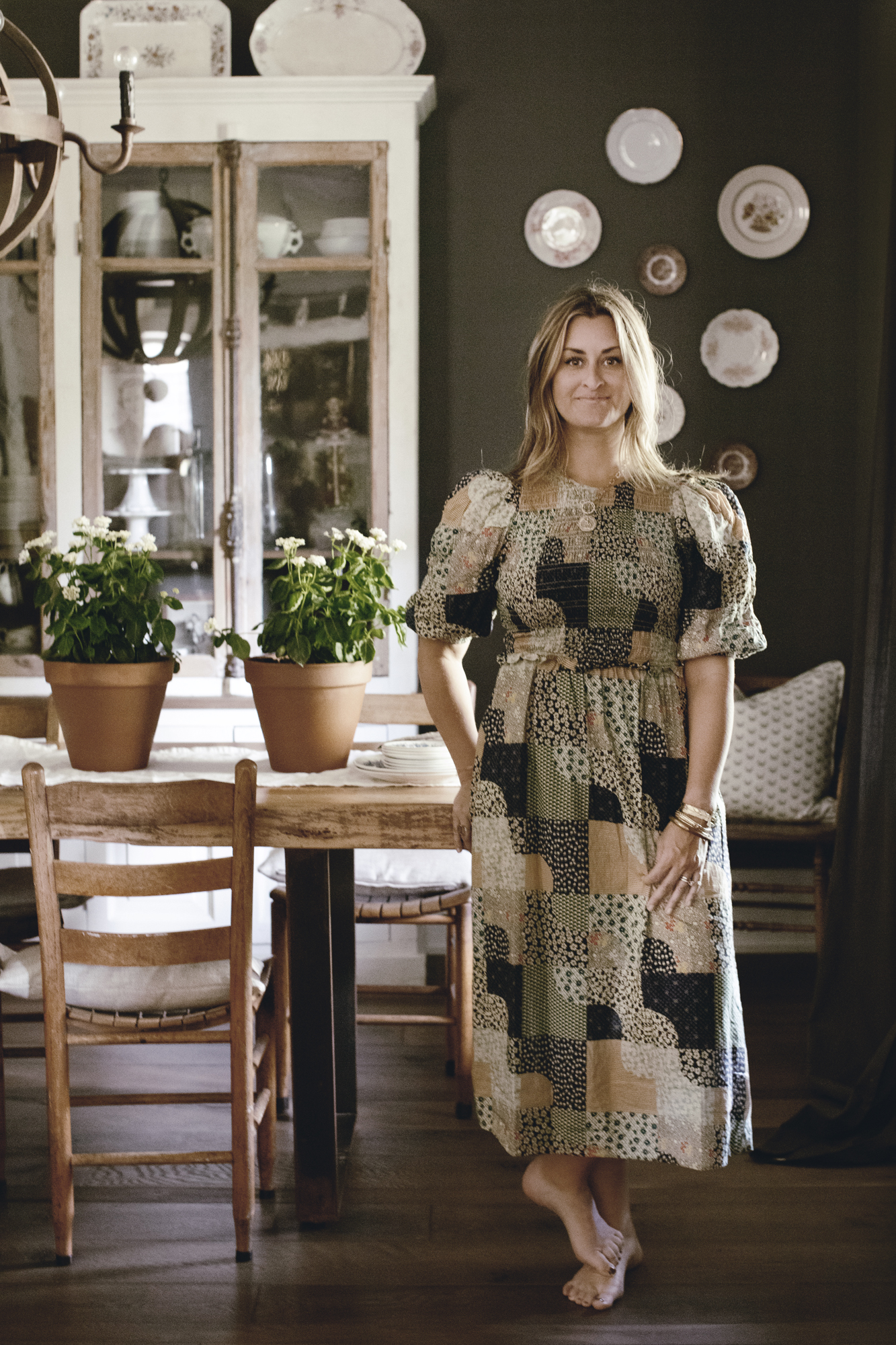
When we built our home, I kept coming back to one quiet goal that guided almost every decision. I didn’t want anything to feel new.
Not “new build” new. Not shiny or builder-basic or fresh out of a box. I wanted our house to feel settled and storied, like it had been standing for decades and simply passed through different hands over time. The kind of home where the details feel inherited rather than installed. And surprisingly, one of the biggest details that helped me achieve that feeling had nothing to do with paint colors or furniture or even tile. It was the faucets.
There’s something about modern plumbing fixtures that instantly dates a space. Even in a beautifully designed room, a sleek chrome faucet or a trendy contemporary silhouette can quietly undo everything else. Your eye might not immediately know why the space feels off, but you feel it. Swap that one element for a vintage bathroom sink faucet in real brass or an antique-inspired style, and suddenly the entire room softens. It feels warmer, older, more believable. It feels like it belongs.
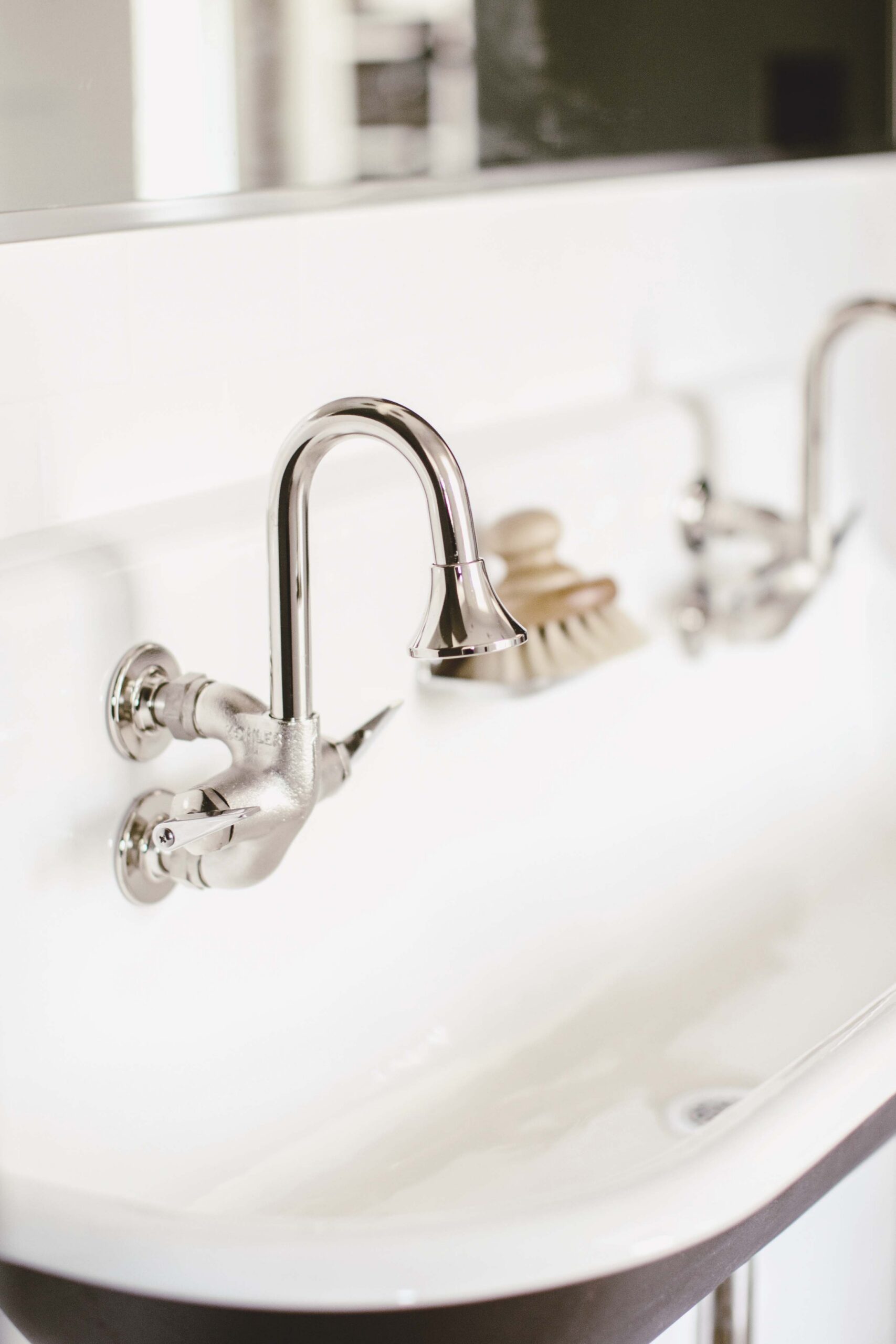
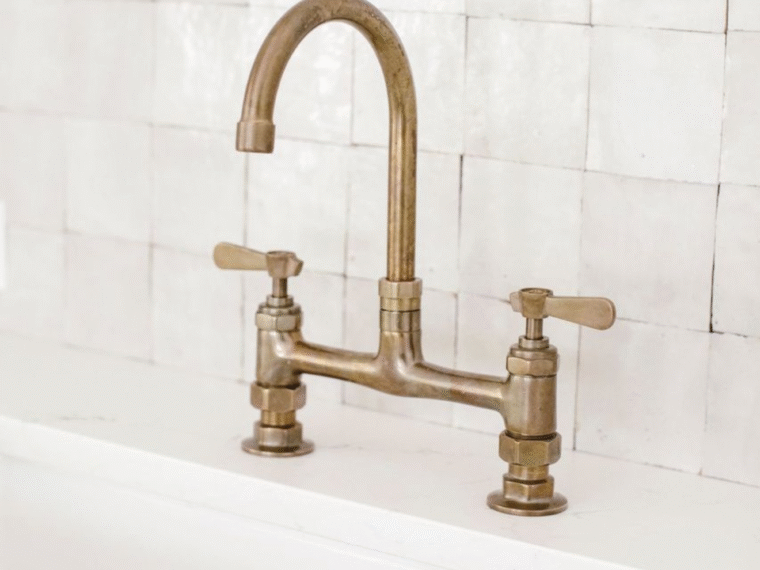
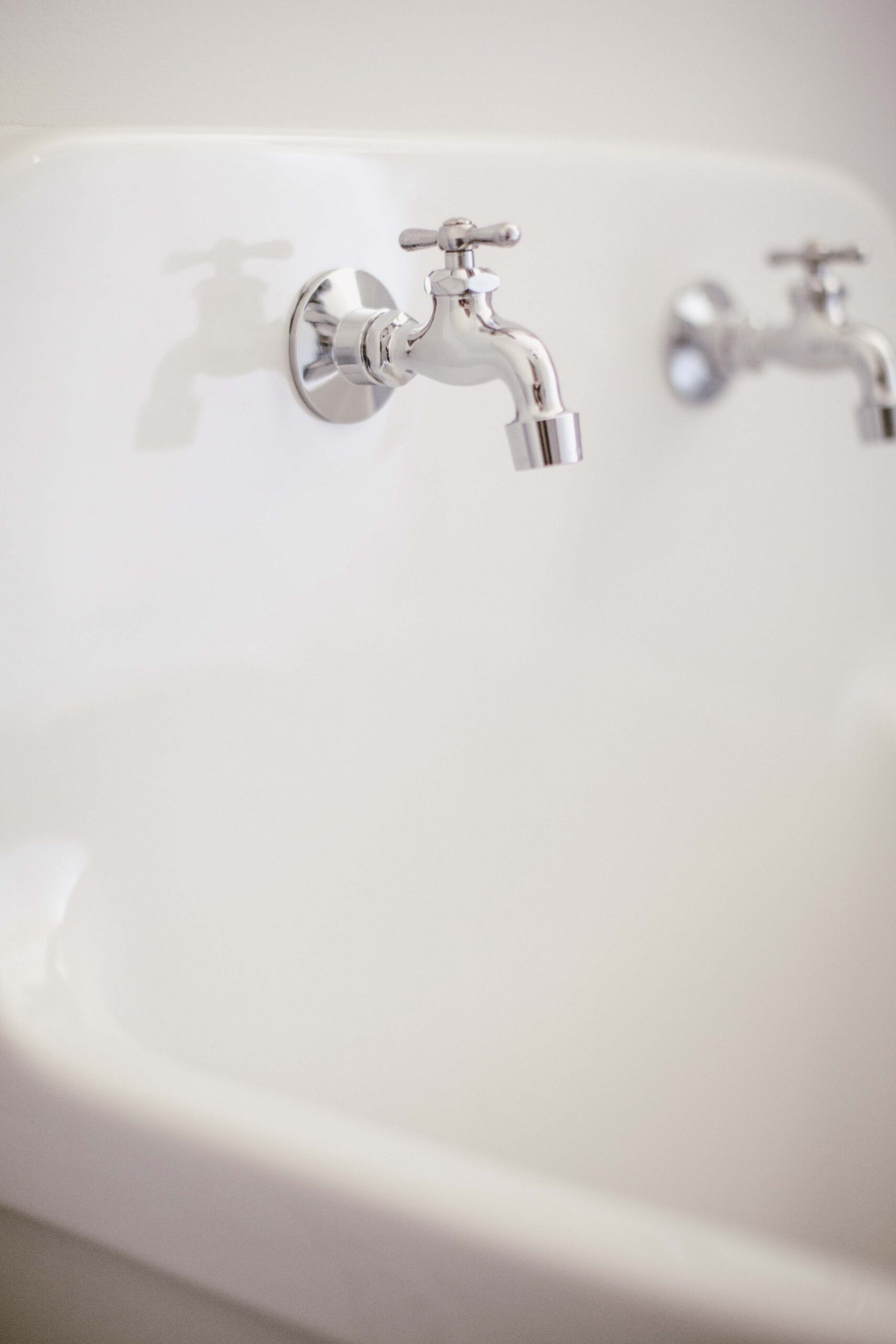
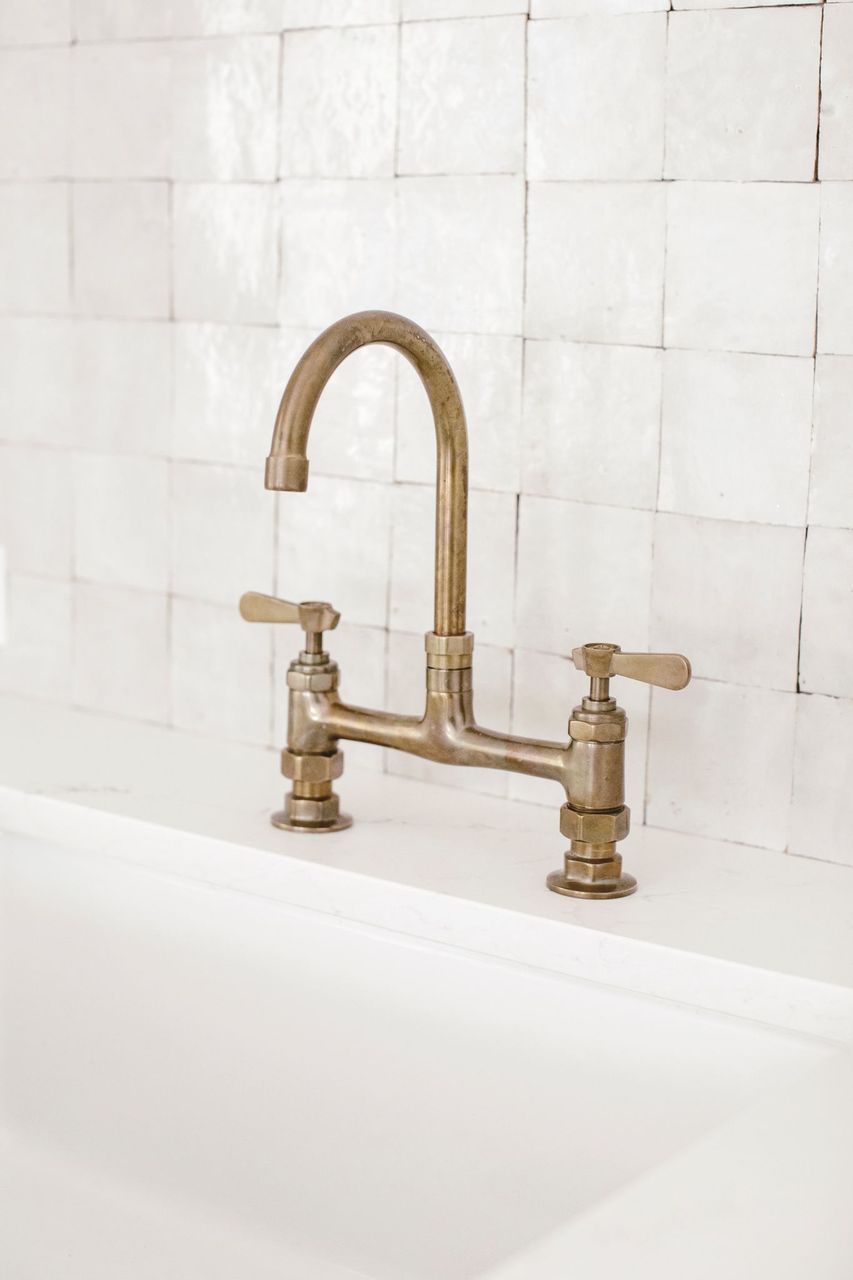
In our own home, every sink tells a slightly different version of that story. In the basement kitchen, I chose an unlacquered brass deck mount faucet that’s already beginning to patina in the most beautiful, imperfect way. It spots and darkens and changes with time, and I love that it refuses to stay pristine. In the kids’ Jack and Jill bath, the powder room, and even the laundry room, we installed vintage-style faucets paired with classic schoolhouse cast iron sinks. Nothing flashy or overly decorative, just honest shapes and finishes that feel like they could have been there for the last hundred years. Those small decisions, repeated room after room, are what make the house feel collected instead of constructed.
If you’ve been searching for vintage bathroom sink faucets or antique bathroom sink faucets and wondering what actually looks right in a real home, not just a showroom, here’s how I think about it.
Why Faucets Matter More Than You Think
Faucets are one of those quiet design details that carry a surprising amount of visual weight. They sit right at eye level, they’re used every day, and they tend to be one of the first things your brain registers when you walk into a kitchen or bath. When they’re overly modern or too polished, they immediately anchor the room in the present. When they’re classic or antique in style, they gently pull everything backward in time.
I’ve found that simply replacing a standard faucet with a classic or retro bathroom sink fauc
et can make even a very basic vanity feel custom. It’s one of the easiest ways to add character without renovating an entire room. The right faucet adds that sense of permanence and history that older homes seem to have naturally, and newer homes often lack.

My Rule of Thumb for Finishes
If there’s one hill I will happily die on, it’s this one. Choose real brass whenever you can.
Not lacquered brass. Not trendy brushed gold. Not anything that promises to stay exactly the same forever. I always gravitate toward unlacquered or antique brass because it ages. It changes with the air and the water and the touch of your hands. It tells the truth about time passing, and that’s exactly what makes it beautiful.
Our basement kitchen faucet has already started to mellow and deepen in tone, and it looks more authentic every single month. That kind of patina can’t be manufactured. It’s earned. When people search for terms like vintage sink faucet brass or antique brass bathroom faucets, they’re usually chasing that same warmth and lived-in feeling, even if they don’t quite have the words for it yet.
Polished nickel and certain traditional bronzes can also work beautifully, especially in older or more classic homes, but I almost always skip anything too crisp or shiny. Chrome and modern gold finishes tend to feel a bit too new for the layered, heirloom look I love.
Shop Vintage Sink Faucets
The Styles That Always Feel Timeless
Over the years, I’ve learned that certain faucet shapes simply never go out of style because they’ve already stood the test of time. These are the silhouettes that feel right whether you’re working with a farmhouse sink, a pedestal, or a simple vanity.
Bridge faucets are probably my forever favorite. There’s something so charming and old-world about the exposed bridge and cross handles. They feel like they belong in an early 1900s kitchen or bath and instantly add architectural interest. Wall mount faucets are another favorite, especially paired with cast iron or schoolhouse sinks. They feel thoughtful and custom, almost like something you’d see in an old utility room or butler’s pantry. And then there are the simple widespread faucets with cross or porcelain handles, which are understated but endlessly classic and perfect for everyday family spaces.
When you see phrases like classic bathroom sink faucets or retro bathroom sink faucets, these are typically the styles they’re referencing. They aren’t trendy or fussy. They’re just familiar in the best way.

How I Choose Faucets Room by Room
I always think about the story of each space first rather than trying to match everything perfectly. I don’t want the house to feel like a set. I want it to feel like it evolved over time.
In the basement kitchen, the unlacquered brass deck mount feels hardworking and a little utilitarian, like an old scullery sink that’s seen years of use. In the kids’ bathroom, the cross-handle faucets feel sturdy and traditional, something that will hold up to daily life without feeling precious. The powder room gets something slightly dressier and more charming since it’s a space guests see, while the laundry room stays simple and practical. They’re all related, but not identical, and that variation is what keeps everything feeling natural.
What to Look for When Shopping
When I’m browsing for antique or vintage-inspired faucets, whether through my own sourcing or affiliate links, I pay attention to a few consistent details. Solid brass construction is always a good sign because it gives the piece weight and longevity. I look for traditional proportions, classic handle shapes, and finishes that will age gracefully. I avoid anything overly squared, ultra-minimal, or obviously modern. And of course, I always double-check measurements and spread before ordering to make sure everything will actually fit the sink.
Most of all, I remind myself not to chase perfection. A faucet that develops character over time is far more beautiful than one that stays frozen and flawless forever.
A Small Detail That Changes Everything
Designing a home that feels timeless isn’t about making it look old for the sake of it. It’s about choosing materials and details that feel honest and rooted in the past. When every element, from the lighting to the textiles to the faucets, carries a bit of history in its shape or finish, the entire house starts to relax. It stops feeling staged and starts feeling lived in.
Truly, few swaps make a bigger difference than installing the right vintage bathroom sink faucet. It’s a small, practical upgrade that quietly transforms the whole room and adds that sense of heritage I’m always chasing.
Other Posts You’ll Love
- If you’re sourcing pieces right now, I also shared a deeper guide with all of my favorite antique & vintage sinks, styles, and sources here.
- Farmhouse Bathroom Ideas
- Basement Renovation Reveal