A classic pound cake is a rich, dense cake traditionally made with butter, sugar, eggs, and flour in equal proportions. Known for its fine crumb and buttery flavor, pound cake has been a staple in home kitchens for centuries.
Long before shortcuts and boxed mixes, pound cake was prized for its simplicity and reliability. Butter, sugar, eggs, flour, and patience were all that was required to produce a cake sturdy enough to slice neatly and familiar enough to appear on tables generation after generation.

The History of Pound Cake
You know I love a history lesson and this story was too good not to share. Pound cake gets its name from its original formula. Early versions of the recipe called for one pound each of butter, sugar, eggs, and flour. This simple ratio made for an easy to remember recipe at a time when written recipes were less common and baking scales were the primary tool in home kitchens.
First appearing in Europe in the 1700s, pound cake became popular for its reliability and long shelf life. The dense structure allowed it to be baked ahead, sliced cleanly, and served over several days without drying out. As the recipe made its way into American kitchens, it became a staple of Southern baking, where it was adapted to local tastes and ingredients.
While modern pound cake recipes often adjust the proportions slightly for texture, the spirit of the original remains the same. Pound cake is meant to be simple, sturdy, and deeply satisfying, a cake built on balance rather than embellishment. But, it still feels like a pound of butter goes into this one, doesn’t it?
What Makes a Pound Cake Classic
A true pound cake is dense, finely textured, and rich without being heavy. Gosh, I love a DENSE pound cake. It should never be fluffy or sponge-like. The crumb is tight but tender, the flavor buttery and balanced, and the cake itself sturdy enough to hold its shape for days. And, if you glaze it just right there is this crispy crunch shell on top that is pure heaven.
A classic pound cake relies on:
-
Proper creaming of butter and sugar
-
Eggs added slowly for structure
-
Gentle folding of dry ingredients
-
A low, steady bake
- The perfect consistency glaze icing on top
These small details are what separate a traditional pound cake from a modern shortcut (or store-bought) version.
Classic Pound Cake Recipe
- Prep Time: 20
- Cook Time: 45
- Total Time: 1 hour 5 minutes
- Yield: 12 1x
Description
A classic pound cake recipe made from scratch with butter, sugar, eggs, and flour. An old-fashioned, dependable cake that serves as the foundation for countless variations.
Ingredients
-
1 cup butter (2 sticks)
-
2 cups granulated sugar
-
4 large eggs
-
3 cups all-purpose flour
-
1/4 tsp Salt
-
2 tsp Vanilla extract
Instructions
-
Prepare the pan and oven
Preheat the oven to 325°F. Generously butter and flour a loaf or bundt pan, taking care to coat all creases. Set aside. -
Cream the butter and sugar
In a large bowl, beat the softened butter until smooth and creamy. Gradually add the sugar and continue beating until the mixture is pale, light, and fluffy. This step is essential and should take several minutes. Proper creaming builds the structure of the cake. -
Add the eggs slowly
Add the eggs one at a time, beating well after each addition. Scrape down the sides of the bowl as needed. The batter should remain smooth and well combined. -
Add vanilla and salt
Mix in the vanilla extract and salt just until incorporated. These add depth without overpowering the butter flavor. -
Incorporate the flour gently
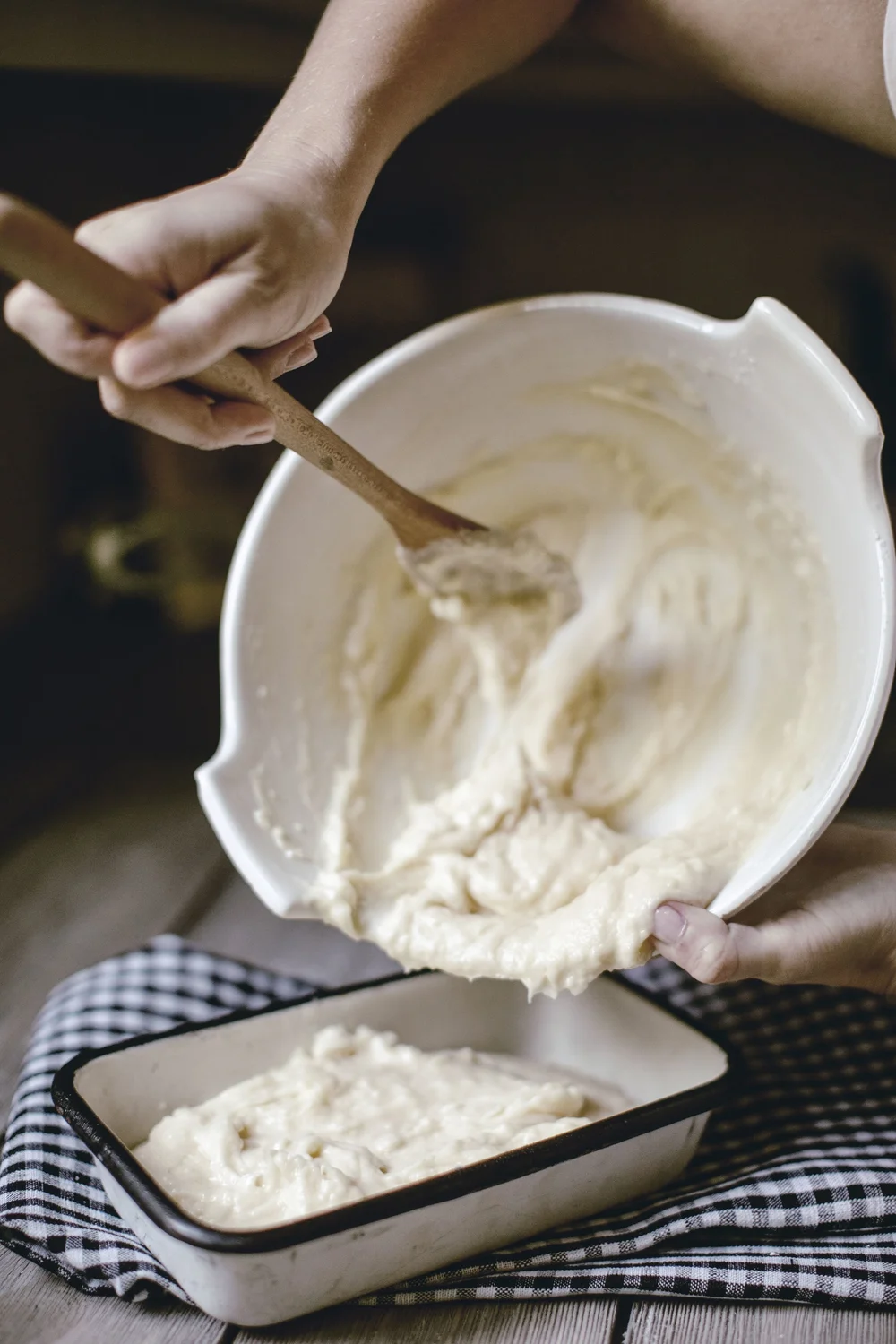
Add the flour in batches, mixing on low speed or folding by hand until just combined. Do not overmix. The batter should be thick, smooth, and uniform. -
Transfer to the pan
Spoon the batter into the prepared pan and smooth the top gently. Tap the pan lightly on the counter to release any air bubbles. -
Bake low and slow
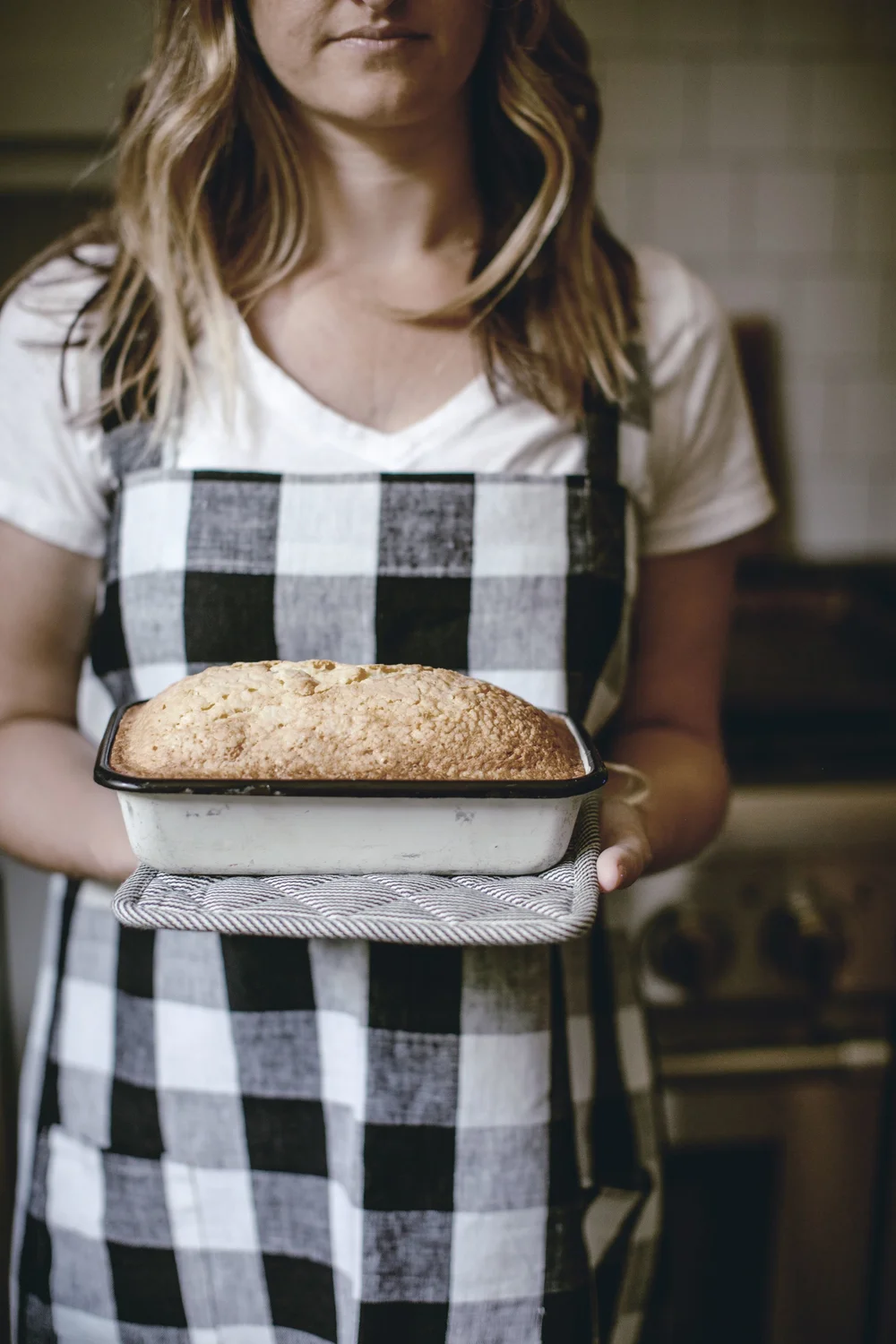
Bake until the cake is golden, set, and a toothpick inserted into the center comes out clean or with a few moist crumbs. This will take approximately 75 to 90 minutes, depending on pan size. -
Cool properly
Let the cake cool in the pan for 10 to 15 minutes, then carefully turn it out onto a wire rack to cool completely before slicing. - Glaze prepare our Glaze Icing recipe and coat the cake with icing allowing it to soak in and set before serving.
Keywords: pound cake recipe

Ingredients You’ll Need
This old-fashioned pound cake recipe uses simple pantry staples.
-
Unsalted butter, softened
-
Granulated sugar
-
Large eggs, room temperature
-
All-purpose flour
-
Vanilla extract
-
Salt
Because there are so few ingredients, quality matters. Use real, good butter, fresh eggs, and measure carefully.
How to Make a Classic Pound Cake
This recipe stays close to the original spirit of pound cake, using butter, sugar, eggs, and flour as the foundation, without modern shortcuts or add-ins.
1. Cream the butter and sugar
This step sets the foundation for the entire cake. Cream the butter and sugar together until pale and fluffy. This can take several minutes and should not be rushed.
2. Add the eggs gradually
Add eggs one at a time, mixing well after each addition. This helps the batter emulsify properly and prevents curdling.
3. Mix vanilla
Vanilla adds warmth and depth without overpowering the butter flavor that defines pound cake.
4. Fold in the flour
Add the flour and salt gently, mixing just until combined. Overmixing will toughen the cake.
5. Bake slowly
Pour the batter into a well-greased loaf or bundt pan. Bake until the cake is golden and set, with a toothpick coming out mostly clean.
Allow the cake to cool before slicing. Pound cake firms as it cools and slices best once fully set.
 Why This Pound Cake Recipe Works
This recipe follows the traditional method closely, which is why it produces consistent results. Proper creaming builds structure. Slow baking ensures even cooking. The simple ingredient list allows the flavor of butter and vanilla to shine.
It is a recipe that does not rely on tricks or add-ins. Instead, it rewards attention and restraint.
Pound Cake Variations
Once you’ve mastered this classic pound cake recipe, it becomes the foundation for countless variations.
Some of my favorites include:
-
Lemon Pound Cake, made by adding fresh lemon zest, juice, and a light glaze
-
Sour Cream Pound Cake, for extra moisture and richness
-
Glazed Pound Cake, finished with a simple powdered sugar glaze
Each variation starts with this same base.
 Serving Suggestions
Classic pound cake is beautiful on its own, but it also pairs well with:
-
Fresh berries
-
A spoonful of whipped cream
-
A drizzle of glaze
-
A cup of coffee or tea
It is equally at home on a simple weekday plate or dressed up for company.
Storage and Make-Ahead Tips
-
Store tightly wrapped at room temperature for up to 3 days
-
Refrigerate for longer storage if glazed
-
Freeze slices individually for later use
Like many traditional cakes, pound cake often tastes better the next day once the flavors have settled.
Why Pound Cake Endures
Pound cake has lasted because it is dependable. It does not chase trends or rely on embellishment. It is the kind of cake that appears at family gatherings, church suppers, and quiet afternoons alike.
This recipe is not meant to impress with novelty. It is meant to become familiar. It is the cake you bake once, then bake again, then eventually no longer need to look up.
That is what makes it classic.
More Recipes Y0u’ll Love