Wedgwood Jasperware has a way of pulling you in quietly.
It is rarely loud or showy, yet once you notice it, you begin to see it everywhere. On bookshelves styled by designers. In the background of beautifully layered interiors. In the hands of younger collectors who are just beginning to build a home with intention (which I truly love so much).
If you have ever wondered can you use Wedgwood Jasperware, or whether it should be purely decorative, the answer is refreshingly simple. Yes, you can use it. And it was always meant to be lived with.
In 2025 and heading into 2026, Jasperware is having a renewed resurgence. Not as a fleeting trend, but as part of a larger return to craftsmanship, heritage objects, and blue and white ceramics that feel timeless in any home.
The History of Jasperware
To understand Jasperware is to understand innovation.
Jasperware was developed in the 1770s by Josiah Wedgwood, who was driven by both artistry and scientific curiosity. He spent years experimenting with clay bodies before creating Jasperware, an unglazed stoneware that could hold crisp
relief decoration without the shine of traditional glaze.
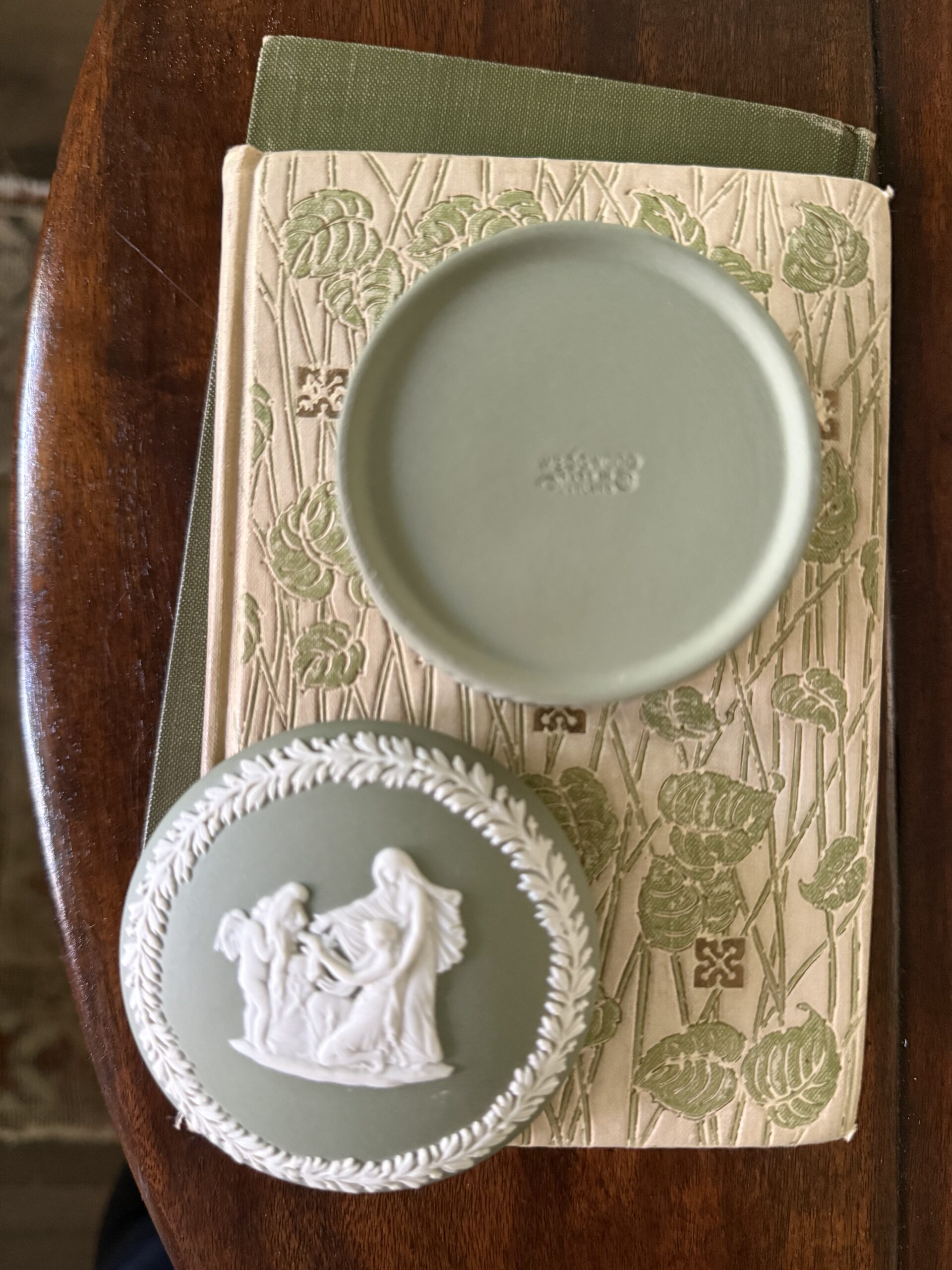
What made Jasperware revolutionary was its matte finish and its sculptural quality. White classical reliefs were applied to colored clay bodies, inspired by ancient Greek and Roman art. These motifs were not painted on. They were applied by hand.
Wedgwood Jasperware quickly became popular among European aristocracy and intellectual circles, admired for its restraint, refinement, and classical beauty.
More than two centuries later, that appeal has not faded.
Can You Use Wedgwood Jasperware in Everyday Life
One of the most common misconceptions is that Jasperware is too delicate to use.
While it is not intended for heavy daily use like modern stoneware, Jasperware was designed to be functional as well as decorative. Trinket dishes, small plates, trays, and covered boxes were made to be handled and enjoyed.
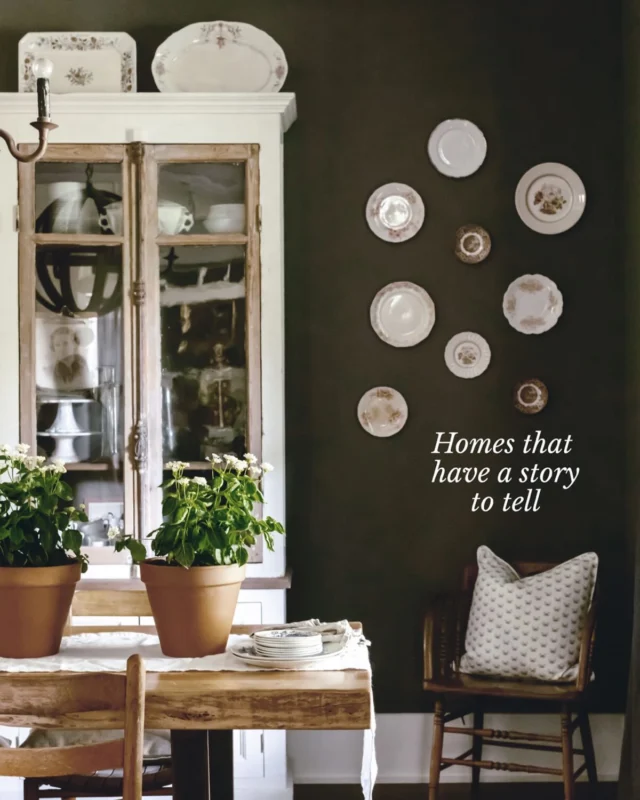
Today, we love using Jasperware as catchall dishes, bedside trays, jewelry holders, soap dishes, and decorative plates layered into shelves or cabinets. It adds history and texture without feeling precious.
The key is thoughtful use. Avoid dishwashers, microwaves, and extreme temperature changes. Treated with care, Jasperware holds up beautifully.
Is Jasperware Valuable
Another frequently searched question is is Jasperware valuable.
The answer depends on several factors.
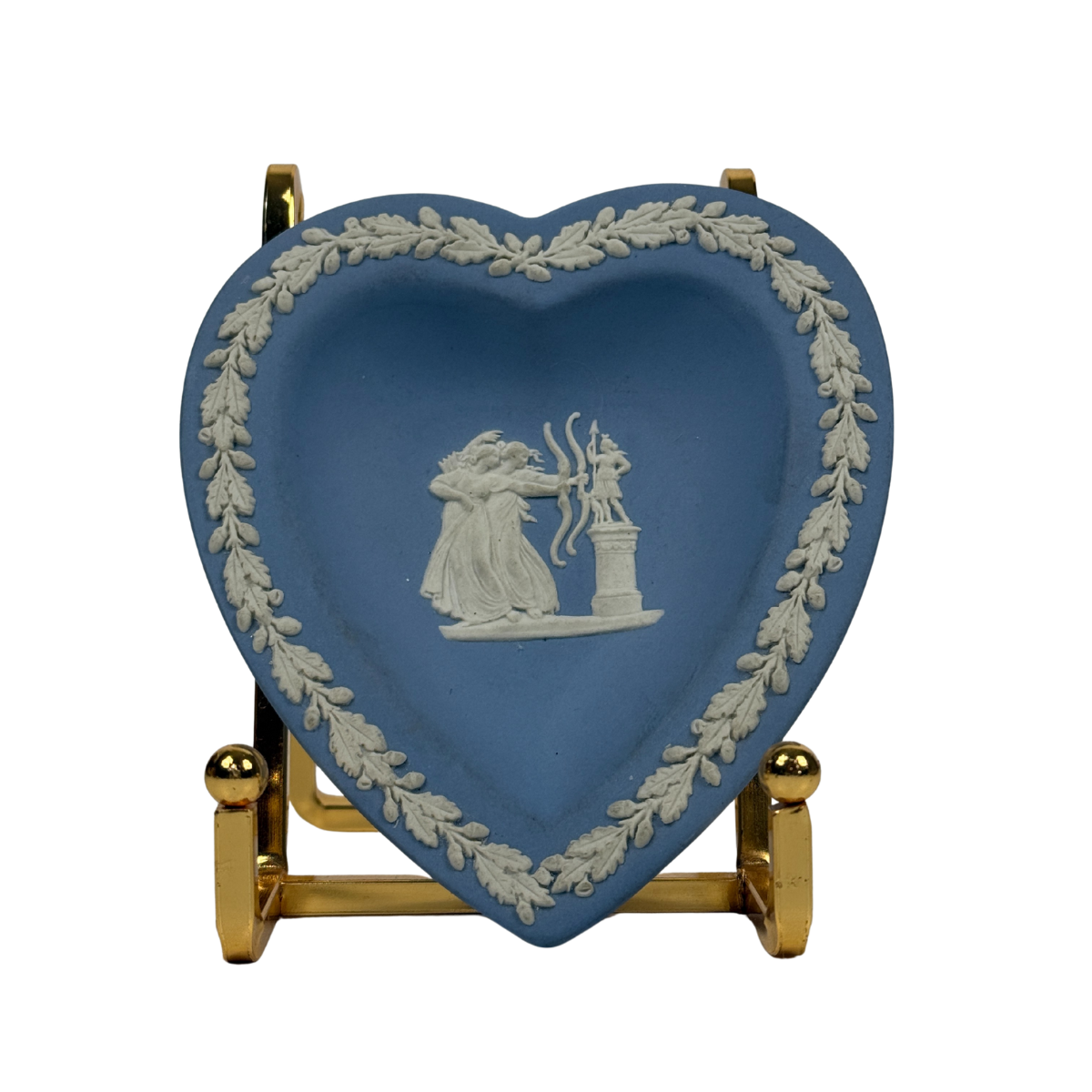
Age is one of the most important indicators. Earlier pieces tend to carry higher value, especially those from the late 18th and early 19th centuries.
Condition matters greatly. Chips, cracks, or missing relief details will impact value, though light wear consistent with age is expected and often acceptable to collectors.
Color also plays a major role, which leads to one of the most fascinating aspects of collecting Jasperware.
Which Colors Are Rare Jasperware Wedgwood
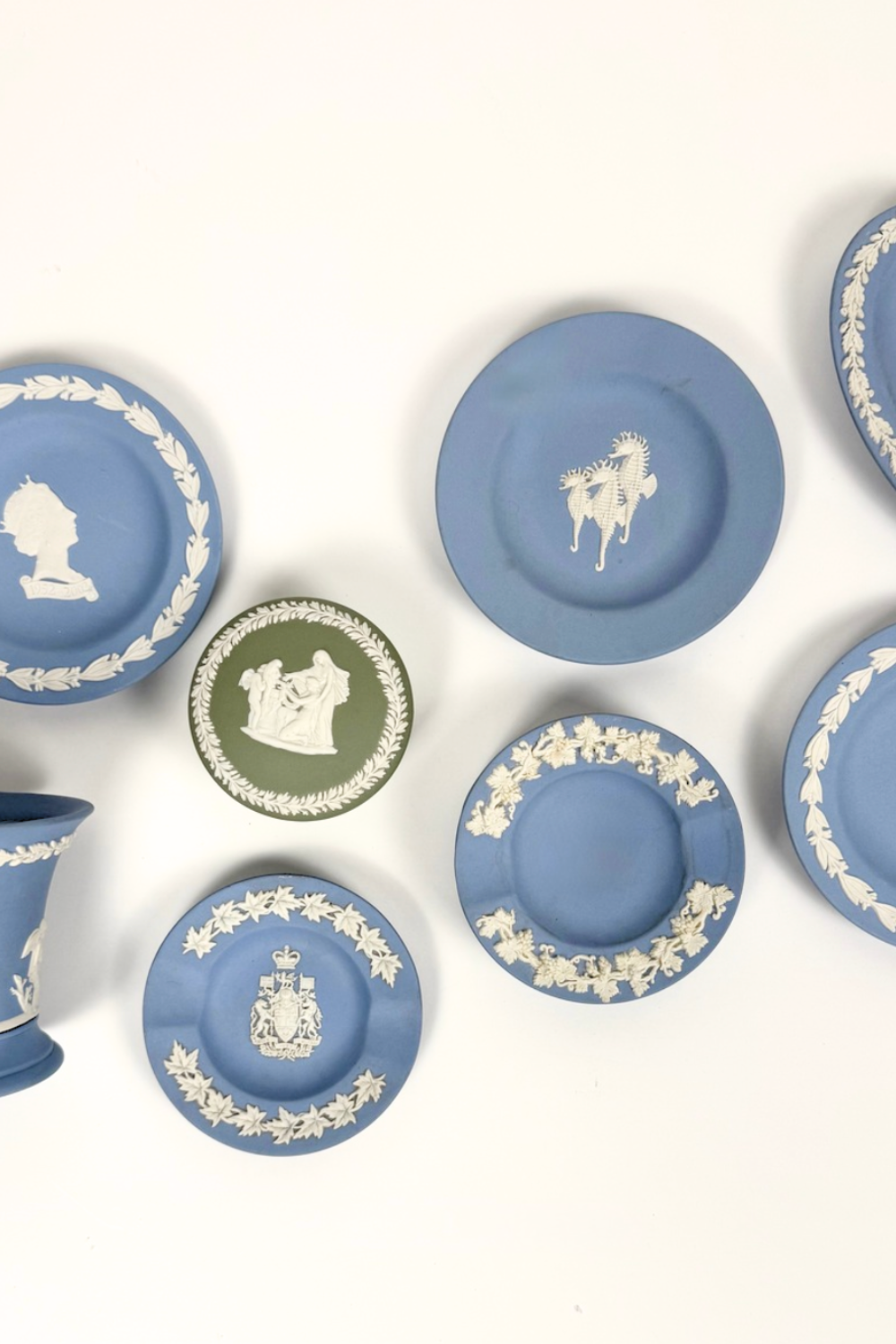
While blue Jasperware is the most iconic and widely collected, it is not the rarest.
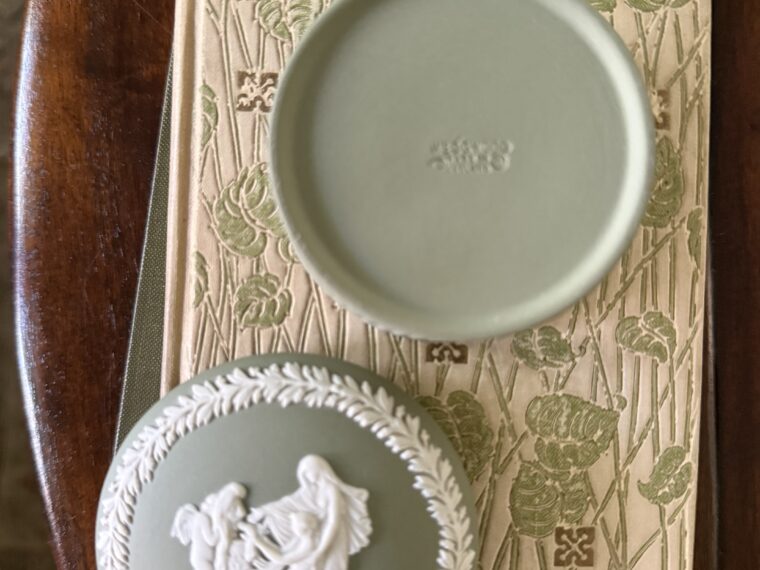
Some of the most rare Jasperware colors include lilac, yellow, sage green, crimson, and early black Jasperware. These colors were produced in smaller quantities and often for shorter periods of time.
Pink and crimson Jasperware are particularly difficult to find and can command higher prices when authentic and in good condition.
That said, blue remains the most popular and often the first to sell. Blue and white ceramics have enduring appeal and work effortlessly in nearly every interior style, which keeps demand consistently high.
At Heirloomed, blue Jasperware almost never lingers. It is often the first to go.
Rare Jasperware Versus Popular Jasperware
Rarity does not always mean desirability.
Some rare Jasperware colors appeal most to seasoned collectors, while blue Jasperware appeals broadly to both new and experienced buyers. This balance between rarity and usability is what makes Jasperware such an interesting category.
A rare color may be collected for its scarcity, while blue is collected for its beauty, versatility, and timelessness.
Both have value. They simply speak to different collectors. Considered the most rare color is the crimson / red dip. Yellow, lilac / light purple, multi-colored pieces and dark blue (various hues) are often thought to be the more collectible and valuable finds. Pale blue (or Wedgwood Blue as it is referred to) is the most common, followed by the sage green. You can also find variations of coral, pink, white, black and beyond – there is quite a range.
Understanding Jasperware Makers Marks
Learning to read Jasperware makers marks is essential for dating and understanding a piece.
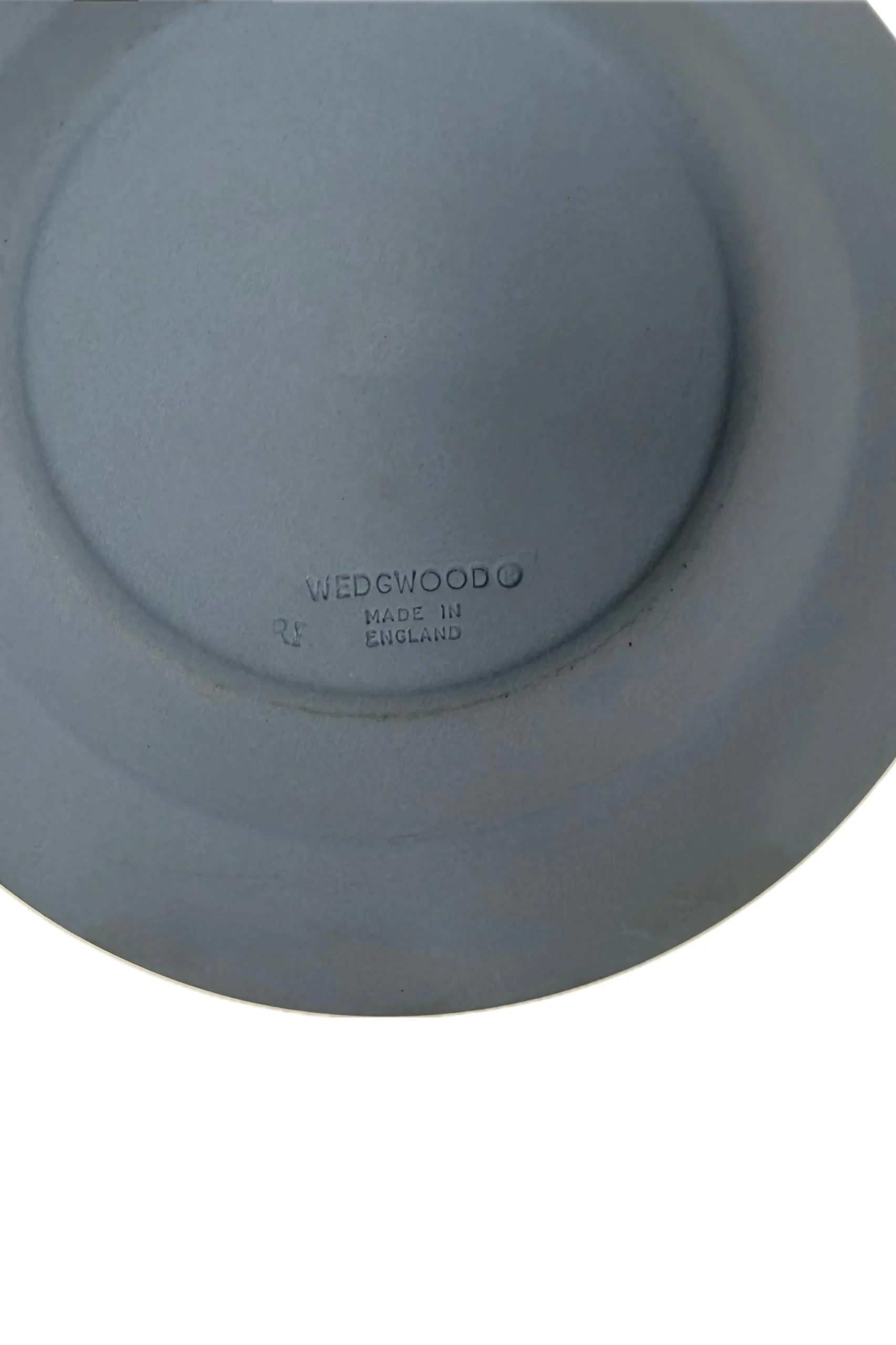
Early Wedgwood Jasperware often features an impressed WEDGWOOD mark in all capital letters with no additional wording. These typically date to the late 18th or early 19th century.
Pieces marked with ENGLAND indicate production after 1891, when country of origin markings became required for export. Some marks include additional letters or numbers that can help narrow down the production period.
Turning a piece over and examining the back tells a story. It is often the first thing experienced collectors do with nearly any antique, you can learn so much.
How to Clean Jasperware Safely
Because Jasperware is unglazed, cleaning should always be gentle.
Use warm water and a mild soap if necessary. A soft cloth or soft brush can help remove dust from relief details. Avoid soaking pieces for long periods and never use harsh cleaners or abrasives. Above all else, do NOT place Jasperware in the dishwasher. Handled with care, Jasperware ages beautifully and retains its soft, chalky finish.
Why Jasperware Is a Perfect Entry Point Into Antiques
For newer collectors, Jasperware offers confidence. It is clearly identifiable. It has a well documented history. It comes from a respected maker. And it is available at a range of price points.
Younger collectors are embracing Jasperware because it bridges old and new. It feels meaningful without feeling formal. It layers effortlessly into modern homes and grows with you over time. It also has the fresh blue & green color palette of a millennial decor and is easy to style with little plates on a wall or with a trinket dish arrangement. This is why Jasperware continues to attract new generations of collectors.
Shop Wedgwood Jasperware at Heirloomed
Our Wedgwood Jasperware collection is curated with intention. We look for pieces that feel timeless, usable, and worthy of becoming part of your home story. I love coming across a treasured piece when I’m out sourcing, and even more fun, my tween daughter has fallen in love with it too. She lights up when she’s out antique shopping with me and discovers a piece on her own. Pure joy.
If you are searching for Wedgwood Jasperware for sale, whether blue, rare colors, or unique forms, we invite you to explore our collection.
You can shop our latest finds of antique Wedgwood Jasperware over on my Heirloomed Collection website.
Blue and white pieces are often the first to sell, so when one speaks to you, it is wo rth listening.